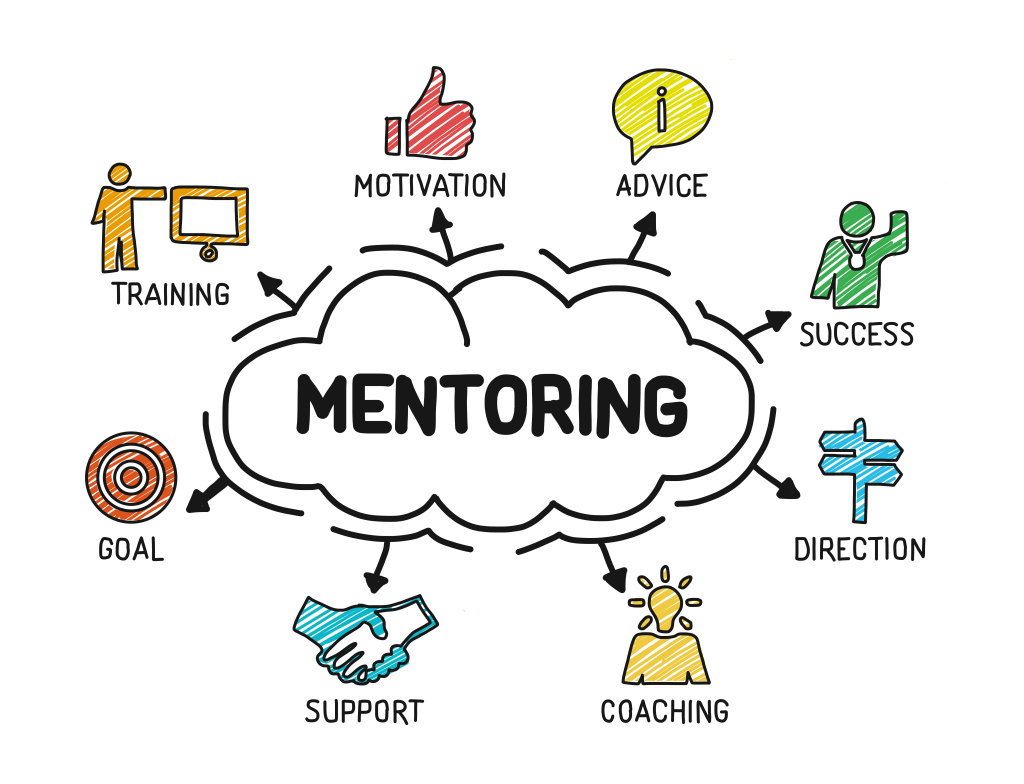
As a mentor its always great to see the mentee prosper in their respective goals and aspirations. However recently when I read the book Atomic Habits by James clear, I felt as mentors we need to focus more on systems of habit rather than accomplishments. Systems are what creates identities and long term gratification and progress rather than some temporary deja-vu. Look out for my next blog to know more on how you can help your team, coachees or mentees to build atomic habits that can have compounding effects on all that they would like to achieve while on this planet!!
It is hard to argue against the benefits of mentoring programs. Mentoring from a veteran in the domain helps us gain perspective in how we could use our time – efforts and ecosystem to lead a fulfilling professional life, while we deal with road blocks and deviations!!!
Lot of thoughts and iterations should happen before the design of a customised mentorship program that can not only serve the interests of the board but also facilitate growth for the employees in knowledge -skill and attributes. Before introducing one to the organisation, leaders need to ask themselves: what makes a good mentorship program? While there’s no “right” answer to this question. Let’s explore the 6 mentoring best practices that can be implemented.
1. Identify the systems you want to change
Establishing clear systems will help you determine the design, format, and overall direction of your mentoring program. The alignment of the vision of the organization with that of the mentorship program is imperative for long term success.
For instance, if your current system of retaining top talent is not working, bring about incremental improvements by looking at tiny aspects and processes that impact the same. It is not just mentorship, strengthening the talent acquisition teams to hire in accordance to culture and value fitment is also something that needs to be looked into. Mentorship programs need to be well integrated with all other systems in the organization and not just work in silos.
2. Choose your mentors
When it comes to selecting mentors, you have to decide whether you’re going to use internal or external leaders. Of course, there are benefits and drawbacks to both approaches.
Sourcing mentors internally is great because they’re familiar with your company and can provide tailored advice to those who want to progress in the organization – not to mention the mentors themselves will hugely benefit from the program, while establishing relationships with other employees at the organization. However, internal mentors may bring more subjectivity into their relationships, which can be harmful to the mentee….thus bringing external experts from time to time can introduce a larger horizon in their thinking
External mentors, on the other hand, bring objectivity into the relationship. They’re also a great option for organizations that don’t have enough leaders to support their mentoring program. The downside of external mentors is that they don’t have any company-specific knowledge and may not be as helpful in that regard.
3. Matching mentor mentee process
Matching mentors and mentees is a process that, if not approached with care, can be prone to biases. For instance, if you allow people to pick their own mentors or mentees, they’re likely to select someone similar to themselves. This can limit growth opportunities for the mentee.
Effective matching is about more than just skills, interests, and job descriptions. The key is to develop a well-rounded picture of each mentor and mentee and make a match based on the organisational vision.
4. Guidelines to be used as holy grail of the process
To set your mentors and mentees up for success, establishing general guidelines is critical. When your mentoring programs have a structure and a clear set of expectations, all the participants will have a strong foundation to work on. This also ensures consistency across the program. You can offer guidance in areas such as:
- Frequency of meeting between mentors and mentees
- How to track progress
- Expectations of both mentors and mentees
- How to navigate potential challenges
5. Ensure the program is equitable
Avoiding biases that can trickle into the mentoring programs need to be looked into judiciously. Everyone in the organization needs to have equal access to the development programs.
6. Successful launch with senior leadership focus
A successful launch is critical to getting the program off on the right foot. Engage the help of the senior leadership and marketing teams to come up with an announcement strategy for the mentoring program. This can include methods like:
- Sharing the announcement across multiple channels, such as intranet, email, and at a company-wide meeting
- Hosting a lunch and learn so employees can learn more about the mentoring program and ask questions
- Having some of the top executives in the organization sign up to be mentors to create excitement around the program
It maybe a good process to run a pilot of the mentoring program before the “official” launch. This helps avoiding major gaps. Also being open to inputs and ideas to enrich the process is important to make it valuable to the participants.
As the mentoring program grows, make sure everyone else at the company is aware of its success! While the leadership team will probably want to see tangible metrics, such as the impact of the mentoring program on employee-related outcomes like engagement and retention… Measuring and sharing success stories, testimonials and benefits from the program at coffee tables is the best proof of success of the program! However running surveys and focus groups can also be very helpful in refining the program.
Have you had mentorship programs for your organization? How has it helped? What are some the best outcomes and best practices? Do share with us.
For more on this do explore the following read
 drsonaliduttabaanerjee