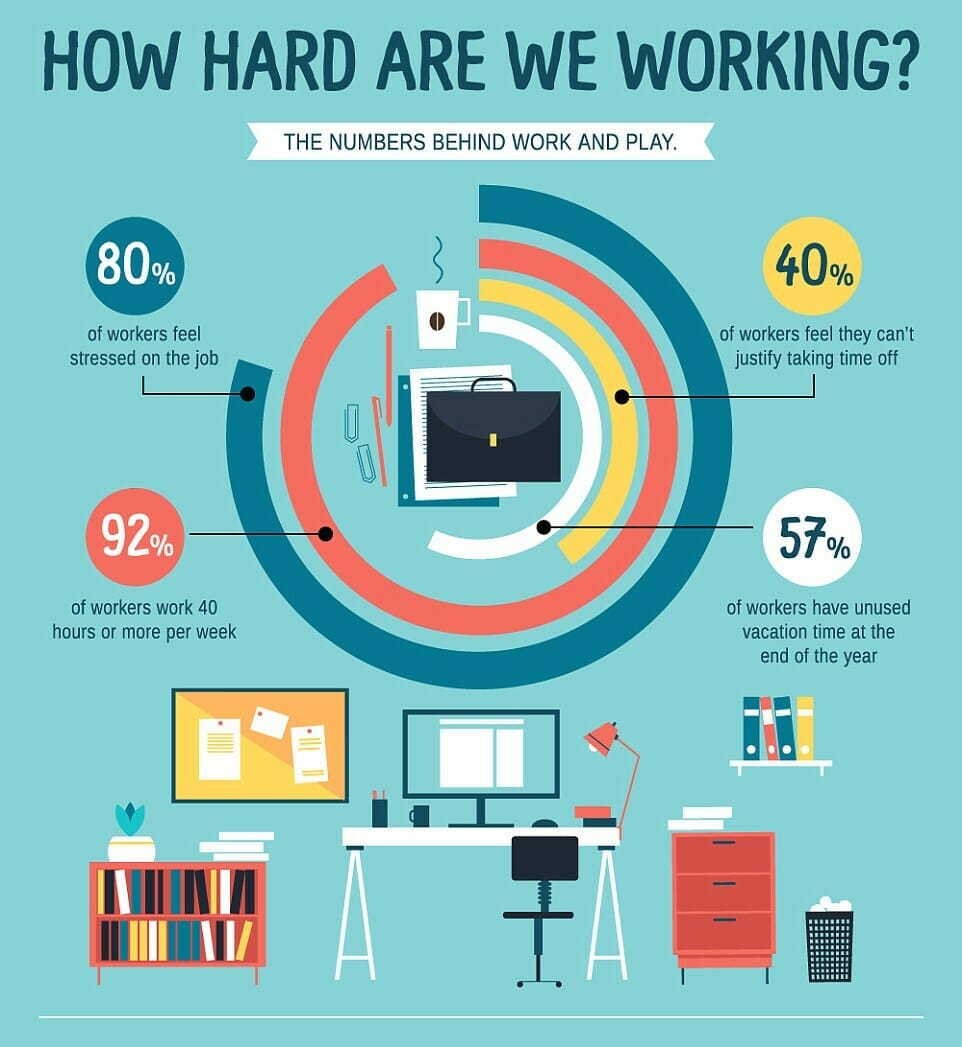
Burnout is a psychological syndrome emerging as a prolonged response to chronic interpersonal stressors on the job. The three key dimensions of this response are overwhelming exhaustion, feelings of cynicism and detachment from the job, and a sense of ineffectiveness and lack of accomplishment. Researchers from the Social and Psychological domain view interpersonal relations, emotional dilemmas towards performance & productivity, etc. as the primary cause of burnout. However Industrial and organizational psychology also viewed the organizational culture and ecosystem to be responsible for stress experience.
Although the WHO is now working on guidelines to help organizations with prevention strategies, most still have no idea what to do about burnout. Since it has negative impact on employee well-being and has massive associated costs, the organisation needs to plan interventions to avoid it.
Research reveals, worldwide, 615 million suffer from depression and anxiety and, according to a recent WHO study, which costs the global workforce an estimated $1 trillion in lost productivity each year. Passion-driven and caregiving roles such as doctors and nurses are some of the most common victims of burnout; consequences could be life-threatening especially for men.
Performance anxiety and the need to prove one’s worth pushes people to take on more than they can chew and eventually sabotage their health and overall wellbeing. As a leader in a fast-paced environment, it’s critical to recognize the signs and cultivate employee welfare and balance to avoid loss of intellectual wealth.
Doing more with less has been the need of the hour for many decades, however, to manage profitability and pandemic a lot of organizations are restructuring with more and more individuals under the pressure of handling way more than they did earlier. In this hour of crisis, one needs to watch out for signs of burnout before it adversely impacts health. WHO is developing and testing IT-supported self-help tools to address common mental disorders, psychological distress in low-and middle-income countries.
Signs of burnout could be irritation, cynicism, constant fear of failures, lack of self-care, lack of immunity, insomnia, anger, negative outbursts with others, fatigue, lack of focus, etc. As burnout creeps in, the physical and emotional health declines.
6 Ways to address burnout and maintain work-life balance –
- Designing work to be Fun -Enjoying what you do is a sure way to beat stress. Now, this doesn’t happen by chance. One needs to consciously design a few aspects of work to be fun. This could be Socratic discussions -changing locations -humor in conversations and above all able to laugh out. Innovating your workspace to be interesting and fun is something that can bring down stress levels to great extent.
- Setting Reasonable Goals -Sometimes when too much in too little time and over-ambitious goals could be a sure way to bring oneself down. Thus more than SMART goals, one can set meaningful goals with long-term alignment.
- Free flow Conversation Out of work/Socialise -Another way to relieve a little pressure is to share your problems, thoughts, and concerns with someone who genuinely cares about your well-being. It could be a spouse, your best friend, a neighbor, or a trusted co-worker, mentor, yet out of work to avoid any complication at work.
- Vacation -A complete and total cut-off from work, in a vacation can clear mind and rejuvenate for refreshed energy. Ideally, you should be gone for at least two weeks with zero office contact. Don’t make yourself available for calls. Don’t check your emails. If at all possible, go somewhere that is the complete opposite of work and do whatever makes you genuinely happy. If that’s climbing mountains, white water rafting, or whatever brings you out of the burnout.
- Setting Boundaries -Setting boundaries also means not overextending yourself. Don’t be afraid to turn down an invitation on the weekend if your schedule is already full and you need extra time to recharge. Saying no can help when it comes to coping with burnout.
- Therapy -Based on severity one can even seek the professional help of therapy and counseling. Today they are more acceptable interventions and devoid of social taboo which was associated with them in earlier times due to lack of awareness.
Dr. Chengappa, MD, and general practitioner advises self-awareness and regular health check-ins to avoid burnout situations. Now that the WHO has put out a clear definition of burnout and acknowledged it as a legitimate threat, organizations can focus on the measurement, programming, and support tools. Balance is of utmost importance rather than monotony or over motivation. Leaders, coaches, and others supporting the workforce need to be more cognizant of these factors.
What are your ways to beat stress? Do you have energy vampires in your life? How do you deal with deadline stress? How’s your delegation and planning working? Are you working weekends? Do share with us your strategies to avoid burnout.
 drsonaliduttabaanerjee
Very much needed and relevant even with the current work from home regime.
LikeLiked by 2 people
absolutely totally resonate with your thoughts
LikeLiked by 1 person
Very positive but most of all my colleagues are very happy and not so stressful as you assume,although to find faults around you is only human which we all reval at. To work is happiness,to find faults during work is individual mindset which differs from person to person 🙏
LikeLiked by 2 people