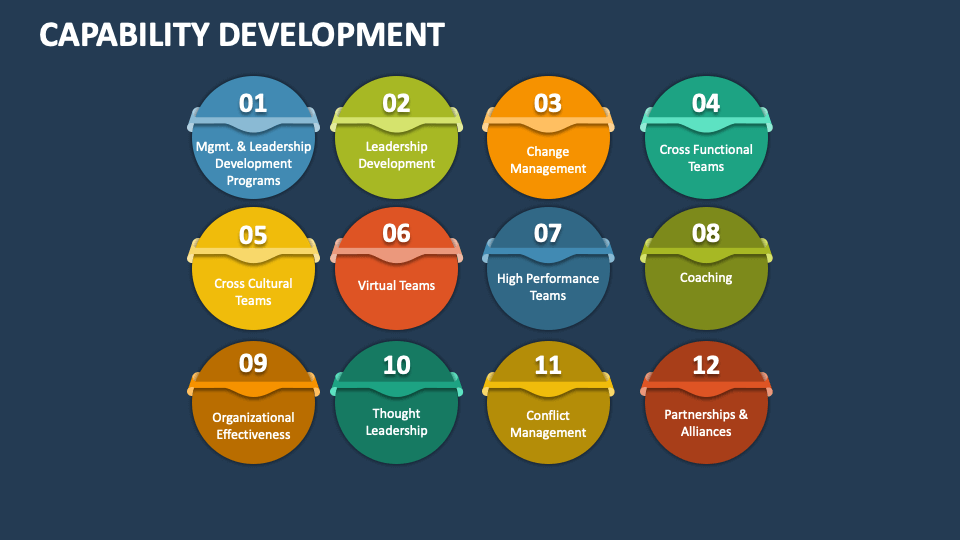
In an era shaped by digital disruption, AI acceleration, and evolving work models, one truth holds steady: The companies that win tomorrow are those building capabilities today. The culture of capability development creates a pipeline of true leaders who are constantly addressing the need of the organization and the industry.
And yet, many organisations treat capability development as an annual event—a checklist item or a training calendar. That’s not just outdated. It’s dangerous.
🌍 Capability is Culture, Not a Course
True capability development is about embedding learning, agility, and growth into the DNA of your organisation.
It’s not just about how many hours of training your employees completed.
It’s about whether your people are ready—ready to lead, innovate, pivot, and grow.
🧠 What Capability Development Really Means
Here’s how modern organisations are reframing the idea:
| 🚫 Outdated View | ✅ Modern Mindset |
|---|---|
| Training is an event | Learning is continuous and embedded |
| Focus on skills only | Develops mindsets, habits, and human potential |
| Generic workshops | Targeted, role-based capability maps |
| Owned by L&D alone | Co-led by business, HR, and leadership |
| Static programs | Dynamic, adaptive learning pathways |
🎯 5 Pillars of Capability-Led Growth
- Strategic Alignment
Align capability priorities with business outcomes, not just functional needs. - Skill Mapping & Career Mobility
Map current vs. future skill gaps and give employees clear, visible growth paths. - Learning in the Flow of Work
Embed development into daily workflows, not just LMS platforms. - Leadership as a Multiplier
Train managers to become talent accelerators and capability coaches. - Measurement & Feedback
Use capability scorecards, proficiency dashboards, and impact analytics.
A global ITES firm introduced a Capability Heat Map to identify role-critical skills across 20 business units. Within one year, they saw: 18% drop in regrettable attrition, 25% increase in internal mobility, Surge in innovation project participation from mid-level employees.🔮 In fact building capabilities is for the future, not just the quarter or a transitional business need. Capability development is not a soft HR agenda—it’s a strategic imperative. When you grow your people’s potential, you expand your organisation’s possibilities. Let’s build workplaces where learning is a way of life, and capability is the new capital.
 drsonaliduttabaanerjee