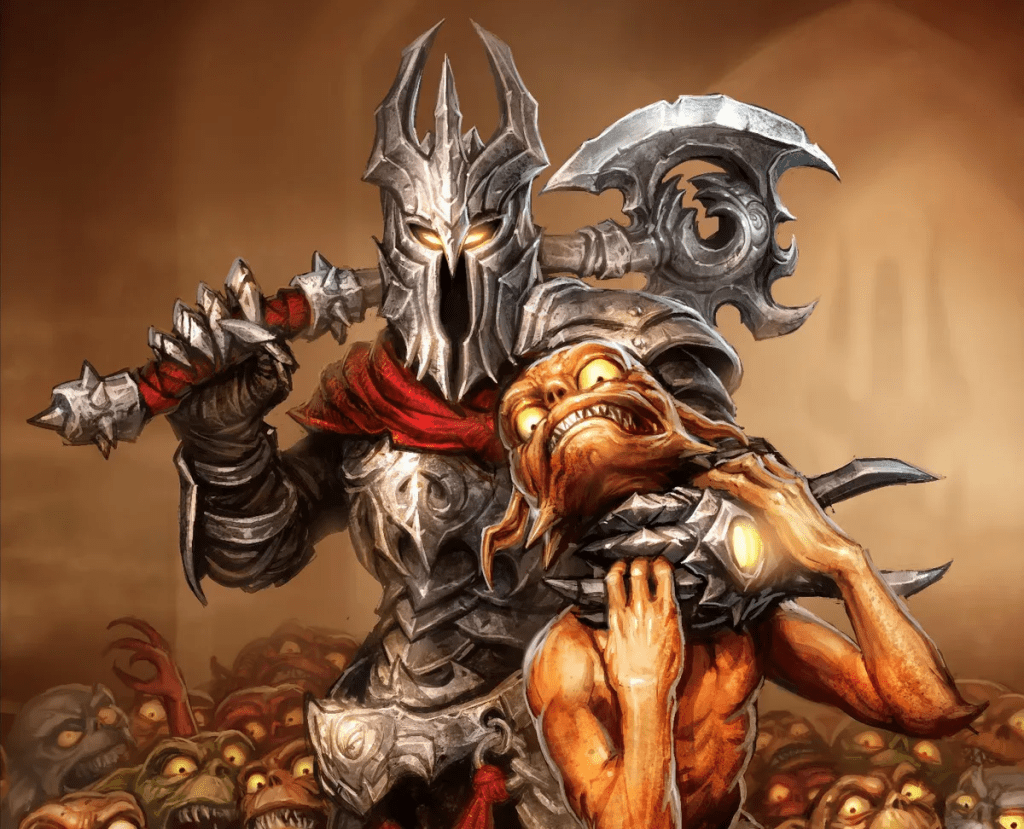
In some organizations, fear wears a suit. It walks into meetings late and interrupts.
It belittles team members in front of others.
It thrives on sarcasm, cold silence, and public humiliation.
It demands loyalty—but gives no dignity in return.
And the person behind it? Often hailed as “tough,” “demanding,” or worse—”results-oriented.” But here’s the truth no one says out loud: Leaders who create fear may get short-term results—but they leave behind long-term wreckage.
😨 Fear Is Not Strategy
Fear may look like control.
But it’s not leadership.
It’s manipulation. Leaders who use fear and humiliation as tools are building compliance, not commitment. They’re raising performance out of anxiety, not ambition.
And they’re suppressing innovation, collaboration, and humanity—one hostile moment at a time.
🔁 The Long-Term Repercussions
Here’s what fear-based leadership really creates over time:
1. High Attrition, Low Trust:
Top talent doesn’t stay where there’s psychological warfare. People leave managers, not companies—and fear-driven managers become revolving doors of turnover.
2. Silent Workplaces:
In fear-led cultures, people don’t speak up. They shut down. Creativity dies. Accountability disappears. People do just enough to stay out of trouble—not to make a difference.
3. Emotional Burnout:
Chronic humiliation and fear activate stress hormones. Over time, they erode confidence, increase anxiety, and lead to mental health issues. You’re not just losing performance—you’re harming people.
4. Reputational Cost:
Today’s workforce is more vocal, more connected, and more aware. Toxic leaders damage employer brand equity. Glassdoor doesn’t forget.
5. Fragile Loyalty:
Fear might win obedience. But it never earns respect. Teams don’t rally behind fear. They retreat—or retaliate when the time is right.
🧠 Why Do Some Leaders Still Do It?
Because it’s easy. It’s a shortcut. It gives an illusion of authority and control. But true leadership requires vulnerability, emotional regulation, and the ability to inspire—not intimidate.
🚀 The Future Belongs to Emotionally Intelligent Leaders
Leadership isn’t about how loud you are in the room.
It’s about how safe people feel when they’re around you.
The best leaders:
- Set boundaries without breaking spirits.
- Demand excellence without diminishing worth.
- Course-correct without creating shame.
- Define goals and support the accomplishment process.
🛑 If You’re Leading with Fear—Stop. Reflect. Reset.
What you do today shapes someone else’s career, self-worth, and mental health tomorrow.
Leadership is a responsibility—not a throne.
Let fear never be the legacy you leave behind.
Let it be the culture you actively work to unlearn, disrupt, and rise above.
Because respect outlasts fear.
And empathy builds what fear never can—trust.
 drsonaliduttabaanerjee