
Self Esteem is the foundational trait to every leadership success. Self-respect, self-worth, and Confidence are the three pillars of self-esteem that also play a role in the Emotional intelligence of a person. Leaders with low self-esteem are most often the reason for their workforce to be demotivated and eventually quit the environment or the system.
Recently came across a hiring person’s interaction with a fresher, which was extremely condescending and demoralizing to an extent that the fresher chose to pursue something else rather than working in a big brand with unfriendly -unhappy -unempathetic people. Low self-esteem is a double-edged sword that not only impacts the self but also the environment. Such people could be detrimental to the morale of the workforce and instigate others towards a defiant work culture.
A leader who is always right without the need to understand his potential if he worked with others has already compromised his way forward. Organizational values also play a significant role to determine the hiring -retention and development process to ensure that people are always nurturing this trait. Leaders who work on their self-esteem know that their value is in seeing the best in others while accepting their talents and weaknesses. They find comfort in who they are and who they need to work together. None of us are as powerful alone yet when we have the right team and people around us, our power is accentuated.
Low self-esteem can not only deteriorate a leader’s performance, but it can also give one a label like a micromanager, autocratic, narcissist, bully, insecure, etc. The list for a leader stuck in this trap is endless and damaging to one’s image as a leader.
6 Traits of a person with low self esteem
- Constantly trying to control everyone and everything around. A person who needs to control others and always rule everyone’s life is suffering from a deficit of self-esteem.
- Envying the peace and prosperity of others in the environment. To live and let live is the first sign of a humanitarian and thus the basic requirement for any leader. If someone is envious of others and investing time in the same, it’s surely a sign of low self-esteem syndrome.
- Need to Find a scapegoat. When things go wrong such people tend to blame others. A leader who can not own up to the mistakes is setting the wrong example for his team. Irrespective of whose mistake it is in the team, the leader needs to be able to shoulder the responsibility of things going wrong.
- Needing the world to endorse their talents. A leader by default is on the pedestal and under the microscope thus seeking endorsement and approval from others is another critical sign that the LSE (low self-esteem) is dominant in the person.
- Taking Credit or pride and portraying one is big. We are all here to play our roles and do our commitments. However, someone who has to constantly take credit for all good that happens is surely not leader material. In fact, this too is instigated by the LSE syndrome) When an action or deed alone can define you as a winner… when your worth is determined by the things you have or do; then it’s time to check your LSE score. Trying to prove to be worthy is a futile journey.
- Being too Fragile. When a person is too fragile and tends to read between lines to find how they are being targeted or insulted etc…When a person has to hold on to, old or bad memories to feel upset with people then one is surely demonstrating LSE and being too fragile.
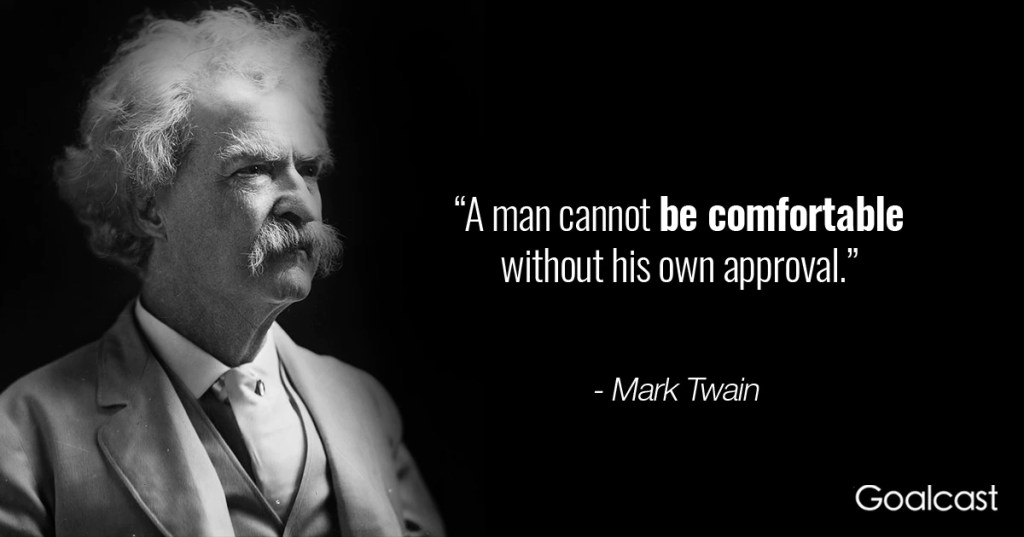
The good news is that one can work on self-esteem and gradually reverse the syndrome. It takes personal effort and consciousness to gradually get control of it. Low self-esteem in leadership can impact a person’s ability to deal with views that are in conflict or even people with different personalities.

6 Ways to transition from LSE to gaining self worth and self esteem
What is the DIY to shift delete LSE from life? How can one feel confident when life gives you a new problem to solve every day? What are the simple steps to get started? After all of us have our idiosyncrasies! What is the way to understand different kinds of people in this world and be adaptable? What is the way to take ownership of relationships -ventures or even projects that have not gone well and rise beyond the same? Some of the best ways to build self-esteem are:
1. Remember the GOOD TIMES
Recall the times when you have succeeded as a person, professional, or project team. Whether it’s people interaction that you cherish or even a professional task. One of the best ways to forgive others and even find personal redemption that has helped me in this regard is to try and recall all the good they have ever done or even the realizations/learnings that have been facilitated due to the misgivings.
2. Build the INNER CIRCLE
In coaching parlance we call them Peer coach… a person who you can share your life with In coaching parlance, we call them Peer coach… a person who you can share your life with …without being judged or criticized. This could also be friends-family -facilitators or mentors. A board of members who are personally invested in your actions -accomplishments, and aspirations.
3. Clarification of DESIRABLE ROLE -RESPONSIBILITY -REWARD
As a leader, a person is a facilitator, not a superman who has to do all and take all the credit. Being able to accept oneself is one of the important aspects in getting started. It’s always good to understand the expectations of oneself and others before starting. If something fails it should not reduce one’s image or self-esteem. There is always the opportunity to team up with right skills or even try something else.
4. Failures or Successes are LEARNING OPPORTUNITIES
Willingness to constantly learn irrespective of failures or success is critical to self-esteem in the long run. It allows a person to adopt the right/empowering principles -values -methods -practice -skills -knowledge -time allocation -behaviors and discard any disempowering ones.
5. Exploring BEYOND COMFORT ZONES
We all have a complacency to go into unchartered territories beyond our comfort zones. As long as these spaces are within our value systems exploring them can sure bring new ways of establishing your self-esteem. Innovating ways to reinvent yourself is a good way to keep the adventure alive; after all life itself is uncertain!
6. Being FRAGILE PROOF
The fragile proof is a term I came across some years back while conversing with an industry colleague. It’s an important trait to have to constantly practice self-esteem and also get the best out of people around you, rather than finding faults in them. When one is fragile proof one doesn’t need to constantly sabotage one’s path of joy and happiness by overthinking others and their role in our life.
Have you tried your self-esteem assessment? Do you think we are born with high or low self-esteem? Is it worth nurturing self-esteem in our life? Looking forward to hear more from you about your journey through leadership and managing your self-worth at all times.
 drsonaliduttabaanerjee